2026-06-18
How to earn PMP certification
Project Management Professional (PMP)® exam
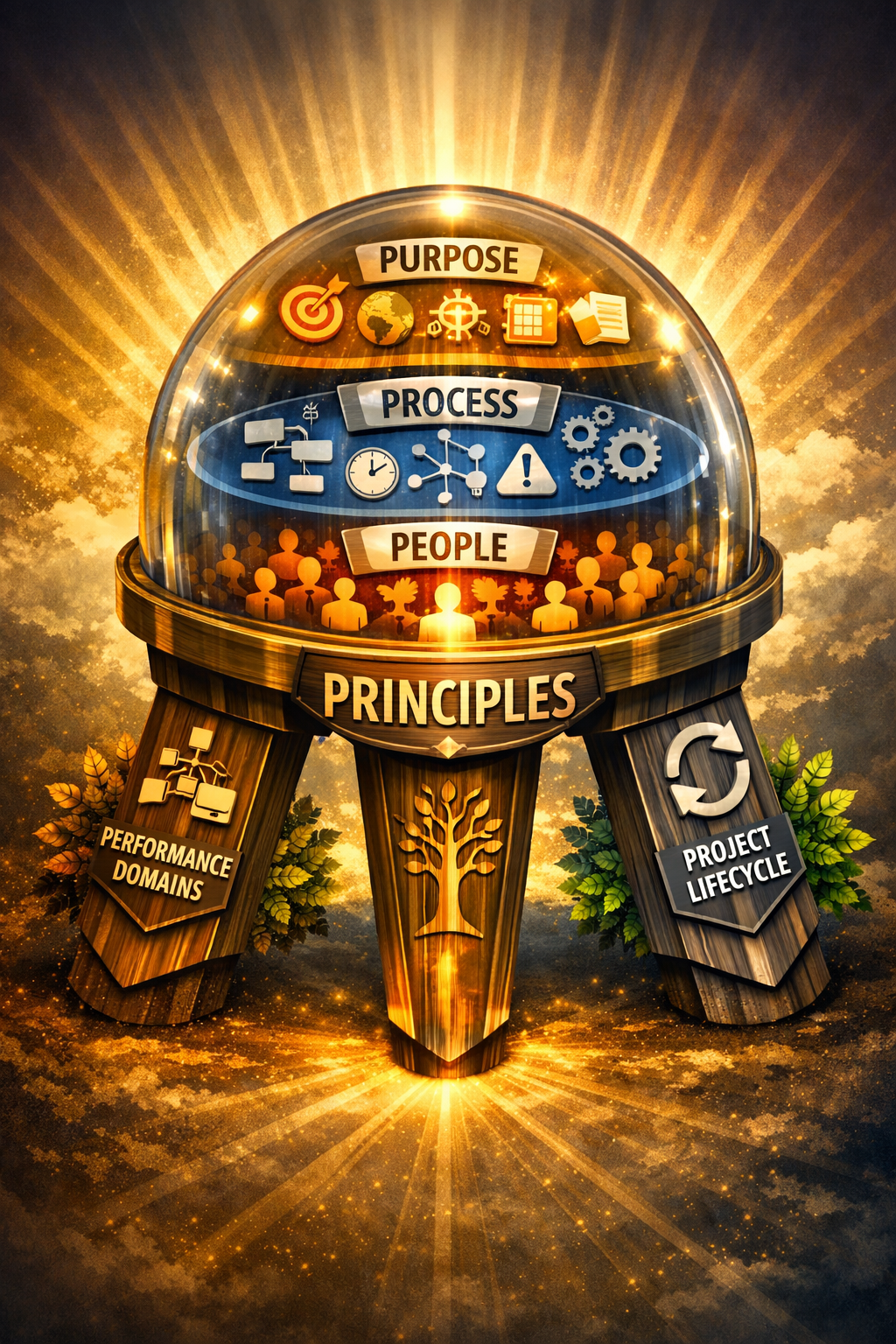
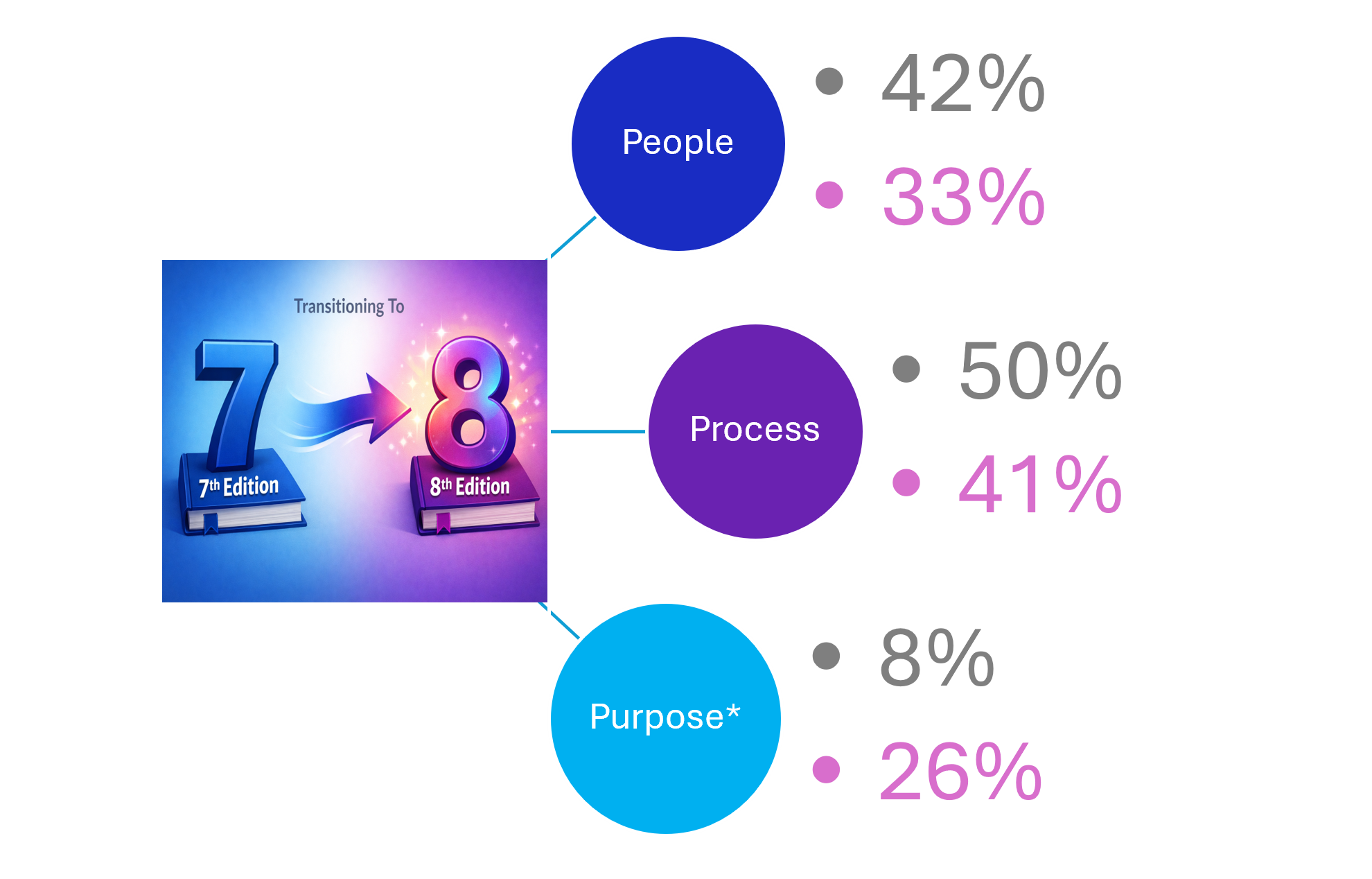
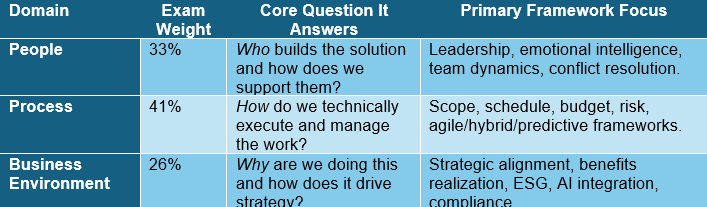
PMP exam content outline (ECO) has 3 domains or aspects to it namely 1-People, 2-Process and 3. Business Environment (We call it as Purpose as shown in Tripod picture). These 3 domains are covered through the content of PMBOK 8th edition with 3 foundations guidelines namely, 1-Principles, 2-Performance Domains, 3-Project Lifecycle. • People at the base — teamwork, leadership, emotional intelligence. • Process in the middle — scope, schedule, risk, and hybrid frameworks. • Purpose at the top — strategic alignment, ESG, AI, and compliance. or Top Layer — Purpose Integrate Sustainability → ESG, long‑term impact Adopt a Holistic View → systems thinking, strategic alignment Middle Layer — Process Focus on Value → benefits realization, outcomes Embed Quality → continuous improvement, reliable deliverables Base Layer — People Be an Accountable Leader → integrity, responsibility Build an Empowered Culture → trust, autonomy, innovation NOTE: For more information visit https://www.pmi.org/certifications/project-management-pmp/new-exam
The tripod concept diagram to introduce about organization of PMBOK Guide with that of the exam content outline (ECO).
These 3 ECO domains (People, Process, Purpose*) in which the exam questions are distributed as 33%, 41%, 26% respectively. *Note also, that the word Purpose that we use is Business Environment in PMBOK 8th edition. Progress evolution of 7th Edition (Current) to 8th Edition (from July 9th, 2026) shows percentage improvements or importance improvements on the Exam Content Outline (ECO).
NOTE: For more information visit https://www.pmi.org/certifications/project-management-pmp/new-exam
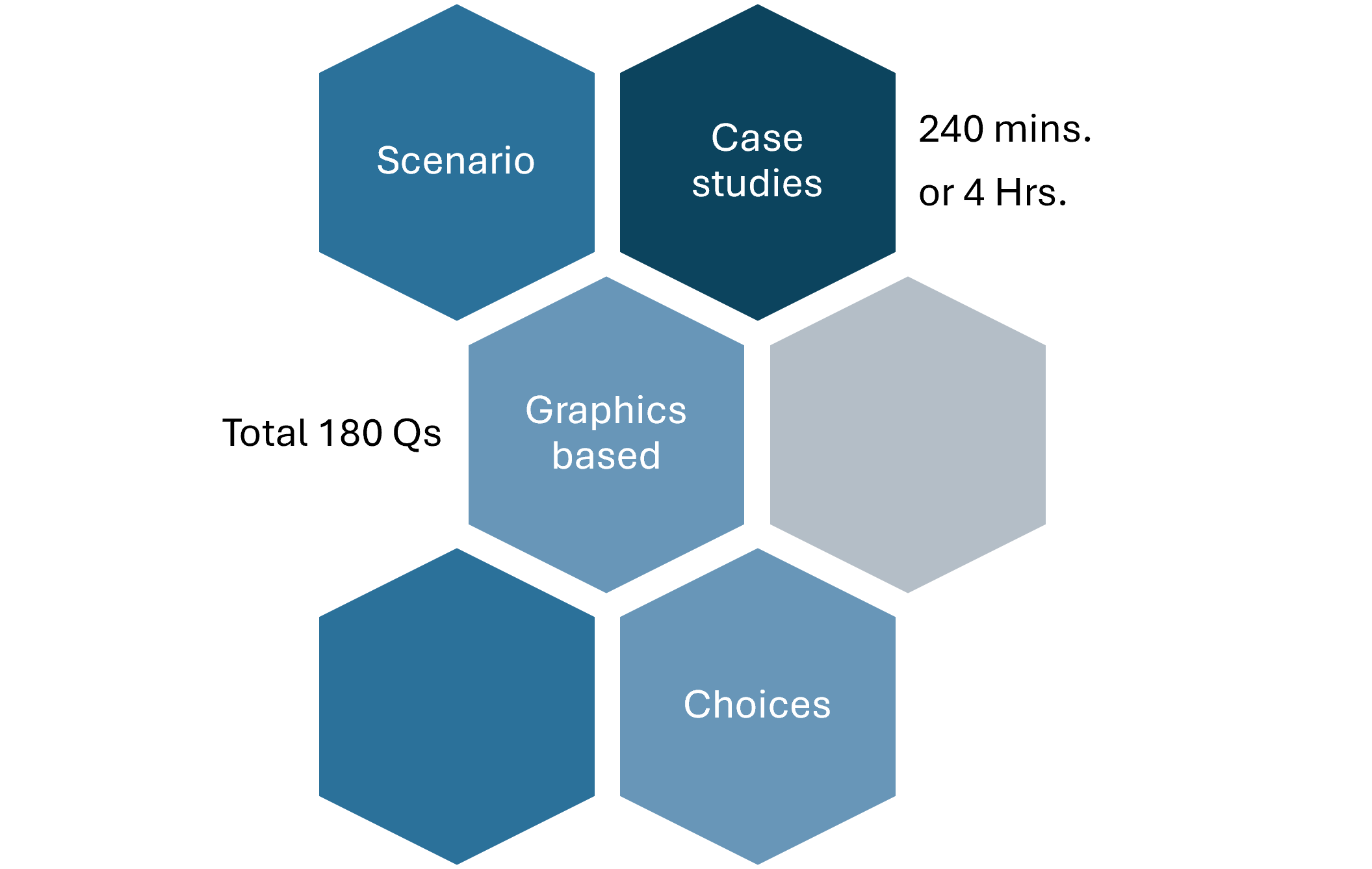
People, Process, and Business Environment — in the choices-based, scenario-based, and case study formats that mirror the PMP exam post–July 9, 2026. Scenario: A team member consistently misses sprint commitments. A. Escalate to sponsor B. Coach the team member privately C. Reassign tasks to others D. Ignore since agile teams self-manage → Answer: B. Coach privately Case Study: A global project team struggles with cultural misunderstandings. A. Conduct cultural sensitivity training B. Replace team members with local staff C. Ignore since productivity is unaffected D. Ask sponsor to intervene → Answer: A. Sensitivity training Choices-based: A stakeholder demands daily updates. Agile team resists. → Answer: Negotiate reporting frequency
Questions: 180 Duration: 240 minutes (4 hours) Format: More interactive, scenario-based, case studies, and graphic-based items
• Value creation and measurable outcomes • Stakeholder engagement and governance • Sustainability and responsible leadership • Systems thinking and holistic planning
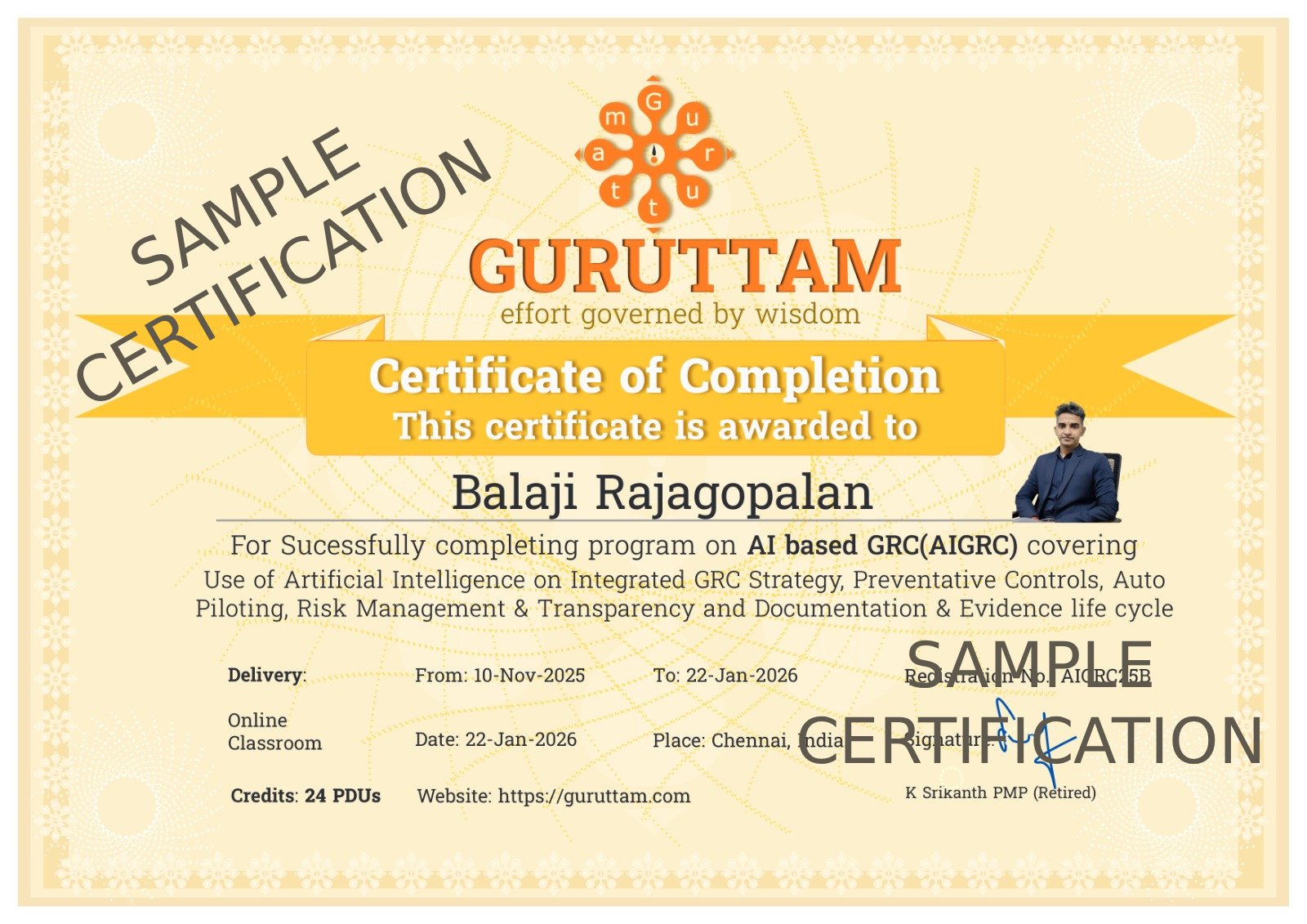
Course Details Course Title: PMPGuru 35 Professional Development Unit (PDU) of Project Management aspects are covered aligning with PMBOK Guide of PMI.org 35 PDUs mean 35 hours of training directly or indirectly. Directly through trainer/instructor based online/offline training. Indirect means training material reading, exercises, quiz practice or reference material reading by the trainee. Certification Completion of PMPGuru training certification will be issued for the candidate benefiting from the course. Sample Certificate is attached here. Cost of course Please contact us on the same. About the Trainer Srikanth K (PMP - Retired) with 35 years of varied industry experience, author of number of books including as a contributor to several PMBOK Guide editions. Has served as a sub-committee member with PMI.org on PMBOK edition upgrades. Have trained more than 1000s of professionals across industry across the globe. PMI.org exam fees For exact exam fees and membership fees please visit https://www.pmi.org/certifications/project-management-pmp. Here is a rough exam fee $405 for a member and for a non-member it is $675. One may register for annual membership around $129 to get above exam fee concession. Also being a member, you get lot of benefit including PMBOK latest edition for reference. Please refer image for rough details. NOTE: We are not related to PMI.org in any way.
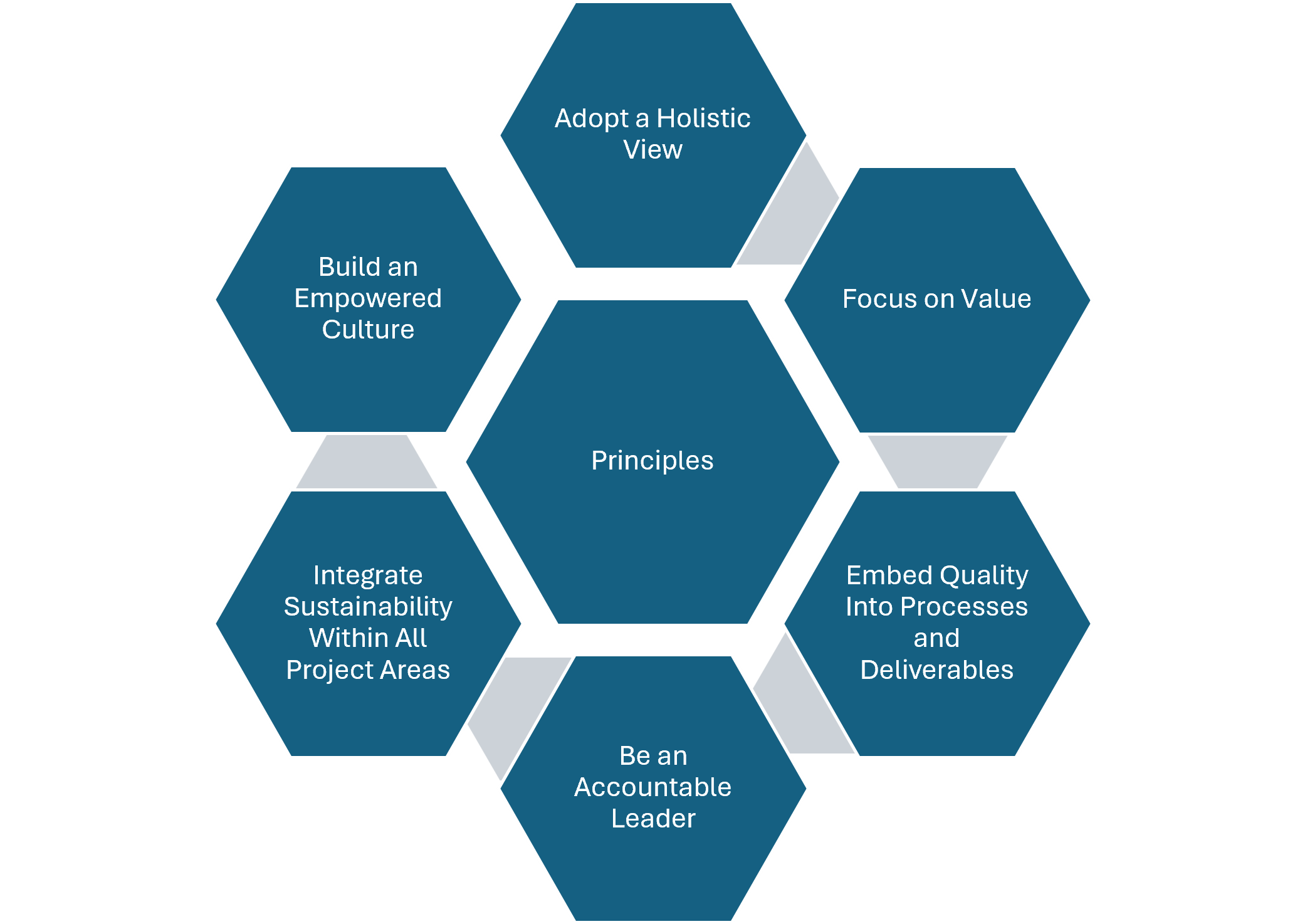
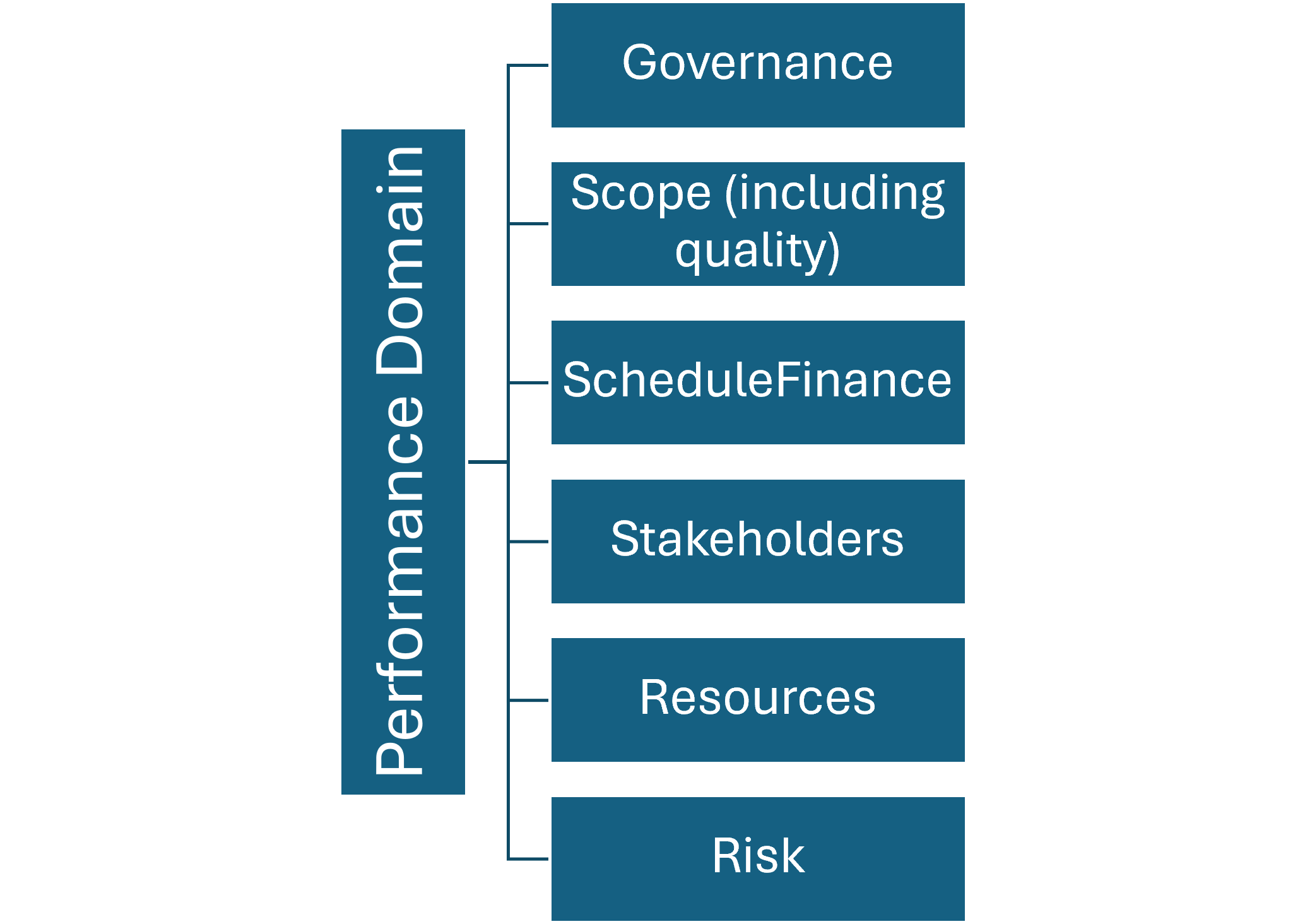
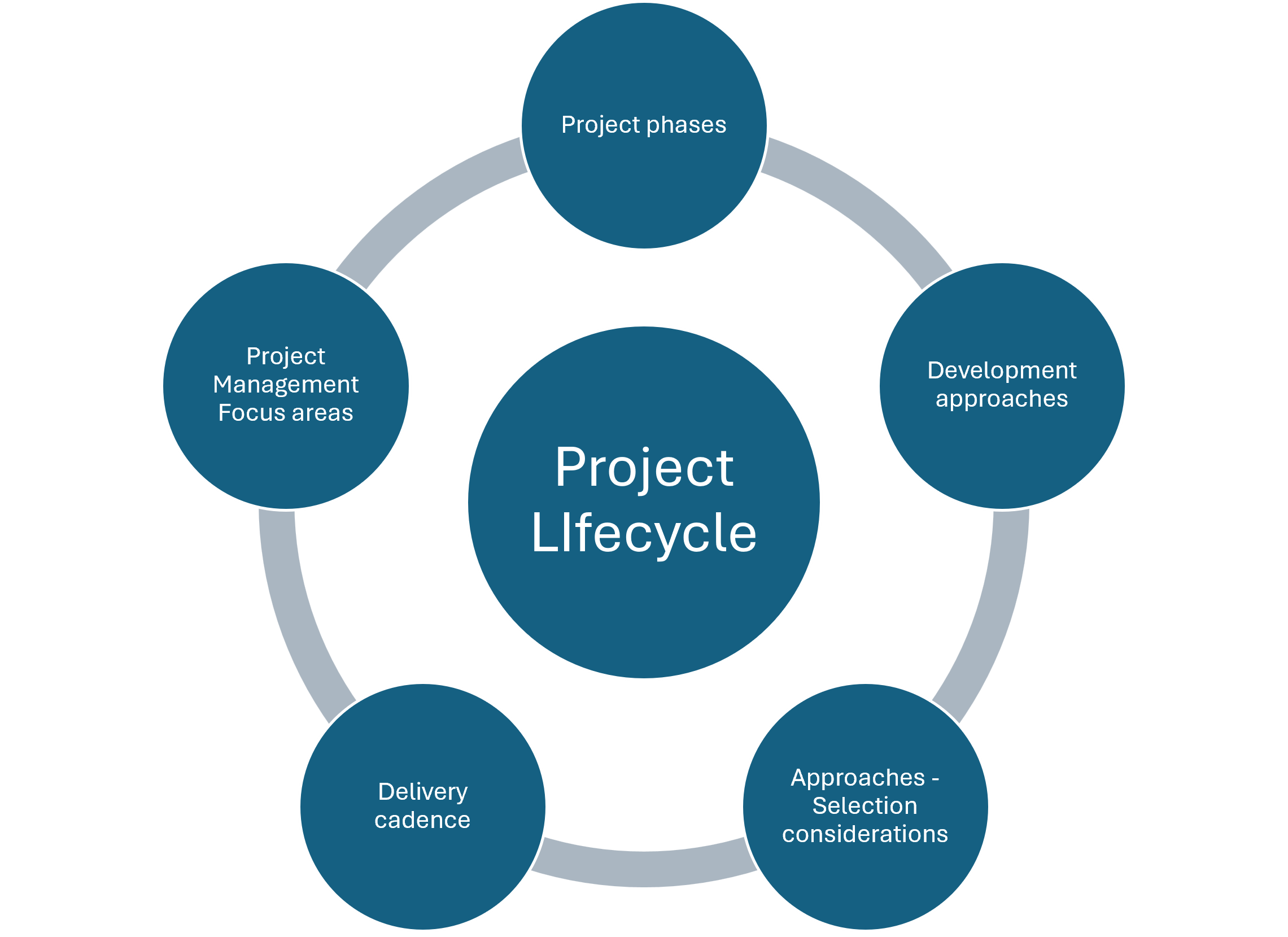
Six Principles Adopt a Holistic View: Recognize the project as part of a larger system, integrating people, processes, and purpose for balanced outcomes. Focus on Value: Ensure every decision and deliverable contributes measurable value to stakeholders and organizational goals. Embed Quality into processes and deliverables: Integrate quality at every stage rather than inspecting it at the end, fostering continuous improvement. As an Accountable Leader: Lead with integrity and ownership, guiding teams through clarity, empathy, and ethical responsibility. Integrate Sustainability Within All Project Areas:Embed environmental, social, and governance (ESG) principles to ensure long‑term, responsible impact. Build an Empowered Culture: Create an environment of trust and autonomy where teams feel motivated to innovate and deliver excellence. Apply Performance Domains (GSS-FS-RR) to all the above 6 Principles. The Project impact is positive and fulfilling. G = Governance S = Scope S = Schedule F = Finance S = Stakeholder R = Resources R = Risks Project lifecycle is an organizational or development tactics or style of conducting a project from start through closure. It may mean to have Phases or grouping of logically related activities, fulfilling or ending in a desired or undesired intermediatory objectives. It could be any or combination of sequential, transitional, or overlapping grouping. Development approaches are either or combination of predictive, adaptive, or hybrid methods being employed to fulfill the desired objectives. It defines how the project will be managed and executed. Consideration for Development Approaches include influential factors from Delivery, Project, and Organizational variables. Example, there is a need for innovative, complex, abstract project delivery, involvement of stakeholder is required or adaptive approach is demanded. If the delivery is about compliance, up-front planning is required or predictive approach would be the choice. Likewise, Project and Organizational influences. Interdependencies on other external factors in case of Project and Cultural maturity in case of Organizational aspects. Delivery cadence - single, multiple, continuous, transferential etc. Project Management Focus Areas earlier called as Process groups - initiating, planning, executing, monitoring and controlling and closing - often to adopt formal or informal processes or procedures or techniques to ensure each of the focus or attention area would result in desired outcome. For example, authorizing a project or phase or sprint to be initiated.
Principles, Performance Domain and Project Lifecycle are interconnected and when resourcefully driven, implemented and managed it gives the best result.